DENTAL HEALTH CARE

AT NARANGBA VETERINARY CLINIC

HEALTHY SMILES, HAPPY PETS

HEALTHY SMILES, HAPPY PETS

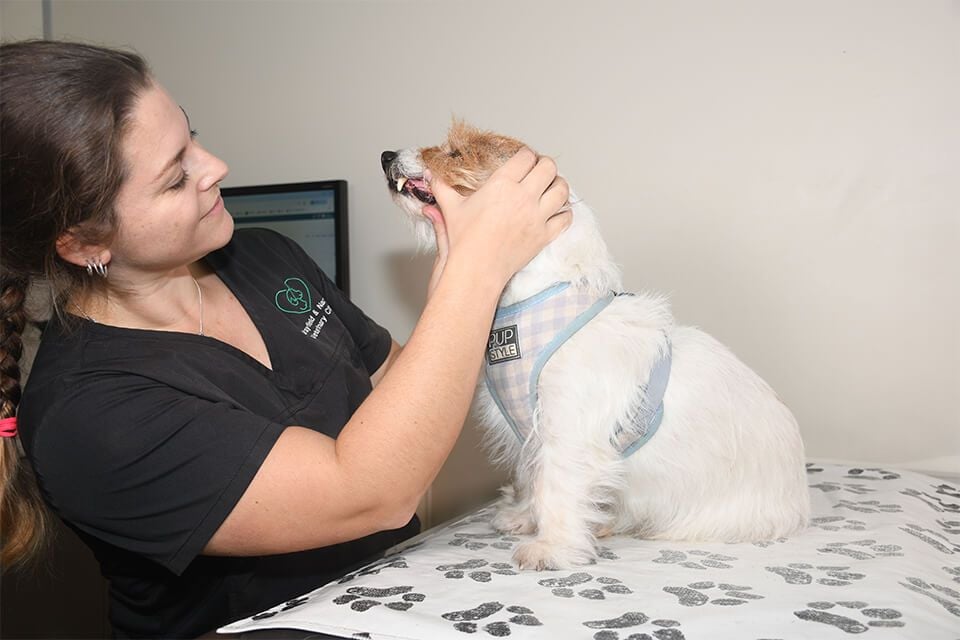
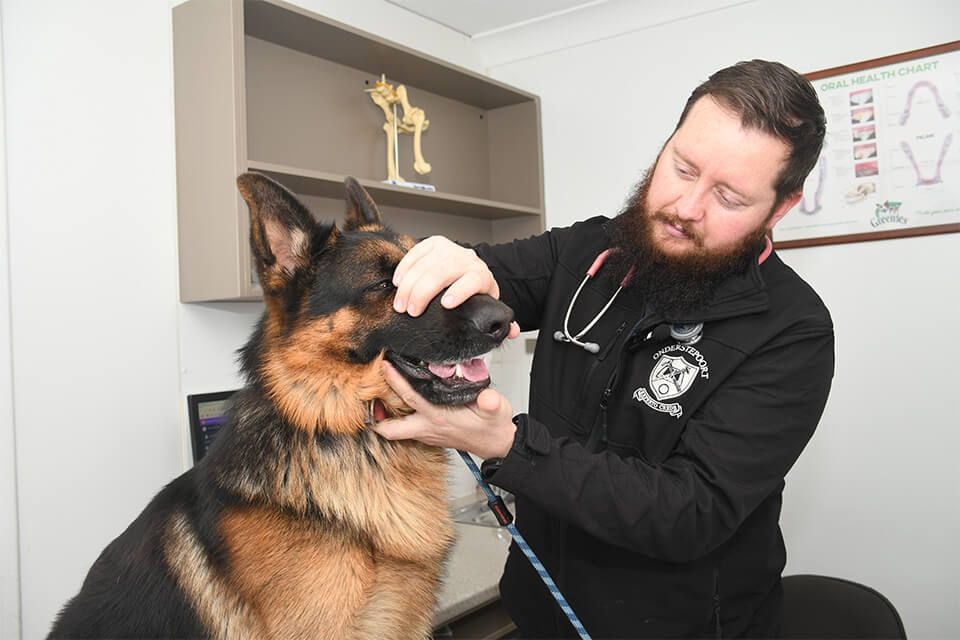
We believe that dental hygiene is a cornerstone of your pet's overall well-being. Much like our own dental needs, your pet's teeth and gums require consistent attention to prevent discomfort and long-term health issues.

Think about it: how would your mouth feel if it went years without a brush? A painful toothache is just as distressing for a dog or cat as it is for a human; the only difference is they can't tell us where it hurts. At Narangba Veterinary Clinic, we are dedicated to being their voice and ensuring their mouths stay fresh and pain-free.
UNDERSTANDING DENTAL DISEASE

Dental issues begin when oral bacteria, saliva, and food particles form plaque. If not removed, this plaque hardens into tartar (brown or yellow material starting near the gum line of the tooth) within just a few days. Left untreated, this leads to periodontal disease, an infection that destroys the supportive tissues around the teeth and can even spread bacteria to the heart and kidneys.

Watch for these red flags in your pet:

  • Early Signs: Discoloured yellow-brown tartar near the gums or persistent bad breath.

  • Progressive Signs: Red, inflamed, or bleeding gums.

  • Behavioural Changes: Fussy eating, dropped food, or chewing on only one side of the mouth.

  • Advanced Signs: Excessive drooling, pawing at the face, or visible pain when touched.

If you notice any of these symptoms, please contact us to book a dental assessment. Catching these signs early is the key to saving your pet's teeth.

PREVENTION AND HOME CARE

Maintaining a healthy mouth starts at home. We recommend starting a routine as early as possible to get your pet comfortable with the process.

  • Daily Brushing Your Pets Teeth: Always use pet-specific toothpaste, as human formulas contain ingredients that are toxic if swallowed.

  • Targeted Nutrition: Feed pets raw, meaty bones or special dental diets. This can help reduce the accumulation of tartar, and act as a natural toothbrush.

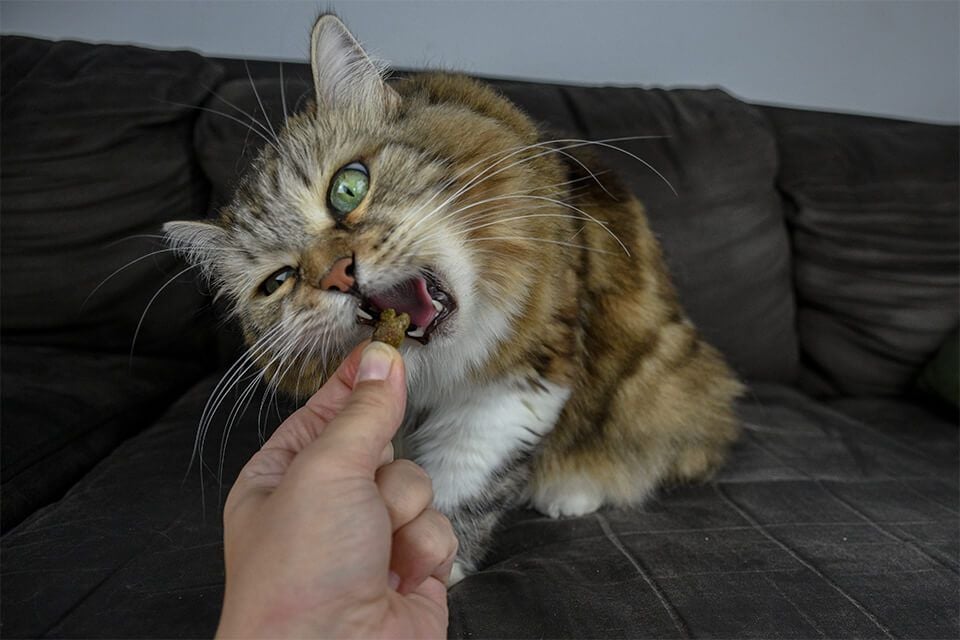
  • Supportive Aids: Dental chews, enzymatic treats, and specialised toys can further reduce tartar buildup.

Regular and frequent attention to your pet’s teeth may avoid the need for a professional dental clean under anaesthetic, and will also improve your pet’s overall health.

OUR PROFESSIONAL DENTAL PROCEDURES

When home care isn't enough, a professional veterinary dental procedure is required. Because our patients won't "open wide" for a deep clean, these procedures are performed under general anesthesia to ensure a thorough, pain-free examination.

WHY WE USE A "STAGED DENTAL" APPROACH

At Narangba Veterinary Clinic, we prioritise safety and transparency. We divide complex dental work into two distinct phases. This "Staged" approach is similar to how human specialists operate and offers two major benefits:

1. Reduced Anaesthesia Time
Shorter sessions are significantly safer for your pet's heart, core temperature and blood pressure.
2. Financial Clarity
We provide you with an exact treatment plan and cost estimate before any major work (like extractions) is performed.

STAGE 1: ASSESSMENT, X-RAYS & CLEANING

STAGE 1: ASSESSMENT, X-RAYS & CLEANING

The first stage focuses on diagnosis and preventative cleaning. During this visit, we perform:

  • Ultrasonic Scaling & Polishing: Removing all plaque and tartar to restore the tooth surface.

  • Comprehensive Charting & Dental X-rays: Probing every tooth to check for "pockets" and gum recession.

THE CRITICAL ROLE OF DENTAL X-RAYS

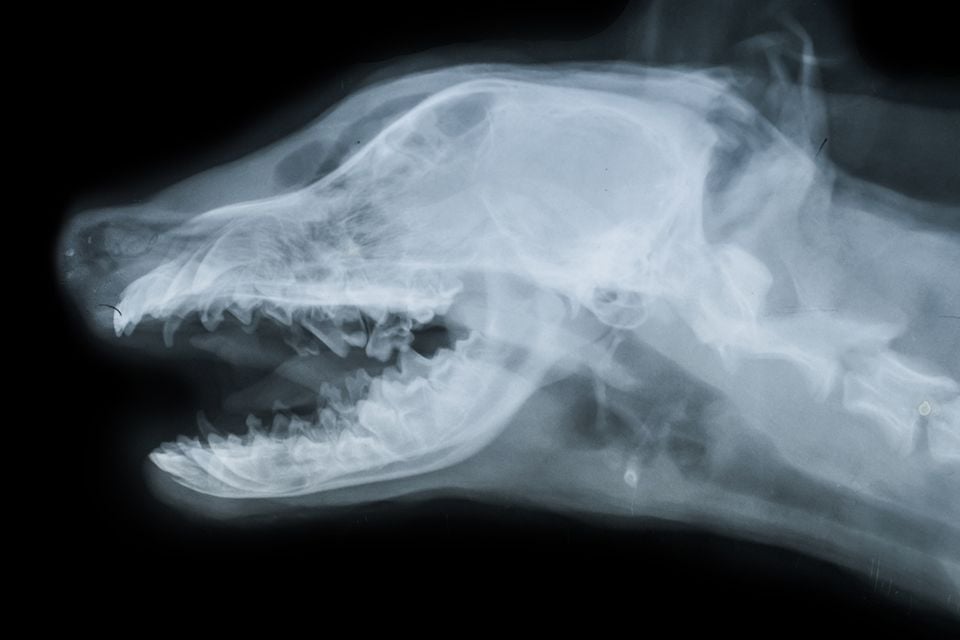
Because our patients can’t pinpoint exactly where it hurts, digital dental X-rays are our most powerful diagnostic tool. At Narangba Veterinary Clinic, we use X-rays to look beyond the surface, evaluating the tooth from the crown all the way down into the jawbone.

Why are they essential for your pet’s care?

Revealing Hidden Issues
Many serious problems occur beneath the gum line, where they are invisible to the naked eye. X-rays allow us to detect painful conditions like impacted teeth, hidden fractures, and deep-seated abscesses before they cause significant distress.
Precision Root Assessment
We believe in "saving" teeth whenever possible. Detailed imaging helps our veterinarians determine if a tooth's root system is healthy enough for treatment or if an extraction is the only way to eliminate infection and pain.
A Roadmap for Future Health
By taking X-rays today, we create a medical baseline for your pet. This allows us to track subtle changes in their oral health over time, catching potential issues during future check-ups before they become emergencies.

DENTAL STAGE 2: ADVANCED TREATMENT & EXTRACTIONS

DENTAL STAGE 2: ADVANCED TREATMENT & EXTRACTIONS

A Stage 2 visit is only scheduled if our veterinarians identify teeth that require extraction or specialised surgical care during the initial assessment. Following the Stage 1 findings, we will provide you with a detailed and accurate cost estimate so there are no surprises at discharge.

To ensure the treatment plan remains accurate and to prevent further dental deterioration, we recommend that Stage 2 is performed within four weeks of the initial Stage 1 procedure. Our goal is to resolve your pet’s oral discomfort as efficiently as possible.

Why do we split this into two visits?

We often get asked why we don’t perform everything at once. At Narangba Veterinary Clinic, we follow a "safety first" protocol for two primary reasons:

Anaesthetic Safety & Wellbeing: It is statistically safer for a pet to undergo two shorter anaesthetic sessions than one prolonged, intensive session. During anaesthesia, a pet’s body undergoes physiological stress, including drops in body temperature and blood pressure. By dividing the procedures, we significantly reduce this stress, allowing for a smoother recovery for your cherished companion.
Financial Clarity & Consent: A staged approach allows us to provide you with a comprehensive diagnosis first. We believe our clients should have all the facts and a clear understanding of the costs before proceeding with major dental surgery.
Optimal Healing Environment: Separating the deep clean (Stage 1) from the surgical extractions (Stage 2) allows any initial gum inflammation to subside. This often leads to a cleaner surgical site and a faster healing process for your pet.

By utilising this staged dental process, we ensure your pet receives the highest standard of clinical care while providing you with total peace of mind.

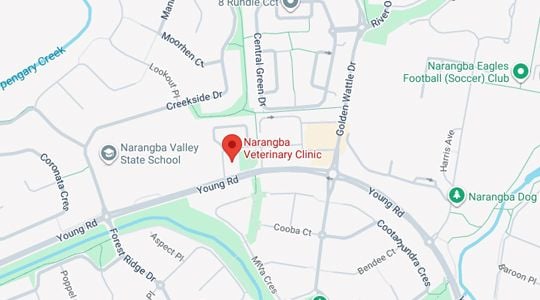
Visit Us at

Opening Hours